L519 Pleco
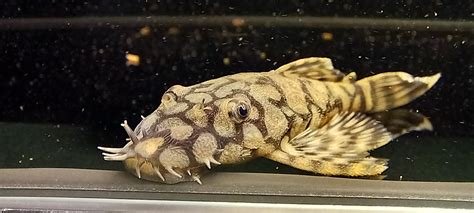
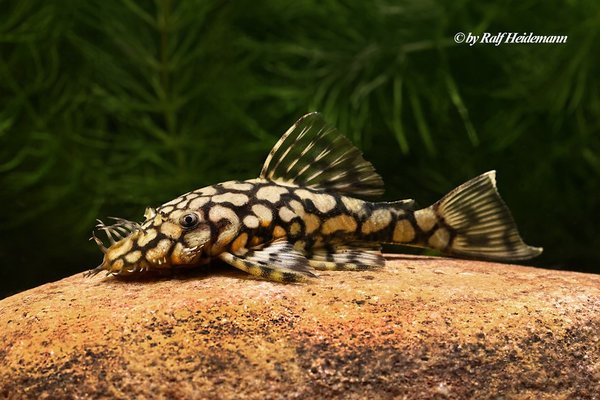
You are bidding on one juvenile L519 Pleco. Purchase size 1.25-1.5"
Fairly new to the hobby, this one by far one of the most beautiful bushynose plecos.
Plecos from the genus Ancistrus are great algae eaters and, unlike the Common Pleco, they don't grow huge. In addition, they are hardy, and easy to maintain. Some species such as the Starlight varieties are downright beautiful. Even the plain brown Bushynose species are unique looking with their bristly faces.
Setup Considerations:
Although they will come out during daytime feedings, all Ancistrus plecos are nocturnal and need places to hide during the daytime. They also come from environments with quite a bit of current, so they appreciate water movement. Water movement can be provided by a simple air stone or sponge filter or something as complex as a wavemaker. Although it is not strictly necessary, these plecos appreciate some wood in the aquarium on which they can graze.
Diet: Omnivore
These fish are omnivores which scrape algae, biofilm, and detritus off the substrate in their natural environments. It takes them quite a bit of time to scrape off enough food to make a meal. In the aquarium, they will readily eat almost any food as long as it settles to the bottom of the tank. Algae wafers, zucchini slices, and French cut green beans rotated with feedings of sinking protein pellets can provide a good long-term diet.
| Quantity: | 1 |
| Seller: | TMAquatics (All lots from TMAquatics) |
| Views: | 21 views, 6 watching |
 Website copyright 2020-2026